A Missing Signature Can Stall Your Title
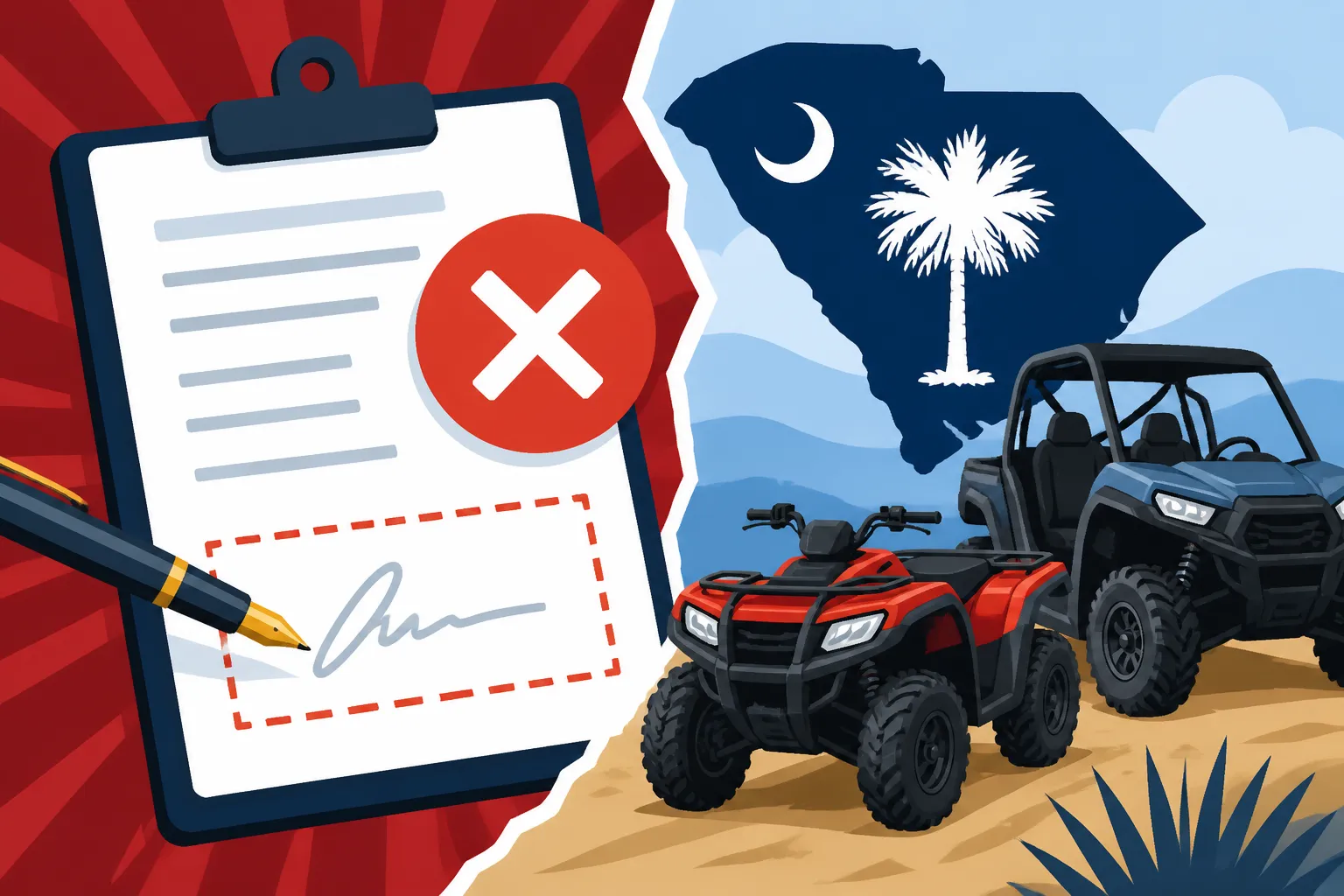
There's nothing quite as frustrating as meticulously gathering all your paperwork, getting yourself to the South Carolina DMV, waiting patiently, and then, just as you get to the counter, being told it's all for naught because a simple signature is missing. It’s a common scenario that can stop your ATV or UTV titling process dead in its tracks. This guide will walk you through why a missing signature is such a big deal, common pitfalls, and exactly what you can do to prevent and fix this all-too-common headache in the Palmetto State.
Why a Signature Holds So Much Legal Weight in South Carolina
In the world of vehicle ownership, a signature isn't just a scribble on a line; it's a powerful legal affirmation. For your ATV or UTV title application in South Carolina, signatures are the linchpin that confirms identity, verifies intent, and prevents fraud. Without the proper signatures, the Department of Motor Vehicles (DMV) simply cannot process your application because they have no legal assurance that the transaction is legitimate or that all parties agree to the transfer of ownership. It’s a critical piece of the puzzle, and clerks are trained to look for it every single time.
The Legal Binding of a "Wet" Signature
When you're dealing with official documents like a vehicle title or a bill of sale, South Carolina generally prefers what's known as a "wet" signature – an actual physical mark made with a pen. While digital signatures are gaining ground in many areas, for a transaction as significant as titling an ATV or UTV, the state often requires that tangible proof. This signature legally binds the signer to the terms and declarations on the document, whether they are the seller releasing ownership or the buyer accepting it. It confirms that the person signing is who they claim to be and that they intend to transfer or accept the machine. This is especially true for [Titling a Side-by-Side in South Carolina] where a title is required, unlike the optional nature for ATVs, as discussed in [South Carolina Titles Are Optional].
Preventing Fraud and Verifying Ownership
Imagine if anyone could just write their name on a title document without the actual owner's consent. It would be chaos! Signatures serve as a vital safeguard against fraud. They ensure that the person listed as the seller truly is the legal owner transferring their rights, and that the buyer genuinely accepts the terms of sale. The DMV needs to see a clear, identifiable signature from every required party to verify that the transfer of ownership is legitimate and consensual. If there’s any doubt, they won't proceed. They're not being difficult; they're protecting you and themselves from potential legal issues down the road. This also plays into the overall need for [South Carolina Proof of Ownership Without a Title] in situations where a title might not have been previously issued.
Common Signature Blunders and How They Can Derail Your Application
It’s easy to overlook a signature, especially when you’re excited about a new machine or overwhelmed by paperwork. But these small oversights are incredibly common and can lead to immediate rejection at the DMV counter. Understanding where these errors usually occur can help you avoid them.
Missing Signatures on Key Documents
This is by far the most frequent issue. You might have the original title, a comprehensive bill of sale, and all your identification, but if a signature line on any required document is blank, you're out of luck. This often happens in private sales, where both the buyer and seller might assume the other person will take care of certain parts, or when dealing with complex situations like inherited machines.
- Private Sales: In a private sale, the seller must sign the transfer section of the title, if one exists, or a bill of sale to release ownership. The buyer often needs to sign an application for title. If either party forgets, the entire process grinds to a halt. When you're [Buying From a Private Seller in South Carolina], always confirm every required signature before the seller leaves.
- Inherited Machines: When an ATV or UTV is inherited, the person acting as the executor or administrator of the estate must sign the transfer documents. If they're unsure of the exact procedure, a signature could easily be missed. For more on this, check out [South Carolina Titles for an Inherited Machine].
- Business Transactions: If you're buying from a small business or an individual selling a business asset, ensure the correct authorized signatory from the business signs, not just any employee.
Incorrect or Mismatched Signatures
Sometimes, a signature is present, but it's not quite right. This can be just as problematic as a missing one.
- Misspelled Names: If the name signed doesn't exactly match the printed name on the document or the signer’s identification, the DMV may question it. For example, if the title says "John Doe" but the signature is "Jon Doe," it could be flagged. This might require additional steps, like needing to know [How to Correct a Name on Your Title].
- Signature Discrepancies: If the signature on the document looks significantly different from the signature on the signer's government-issued ID, the DMV clerk might suspect an issue. This can happen if someone tries to forge a signature, or if an elderly person's signature has changed over time.
- Signing on Behalf of Another: If someone signs on behalf of another individual (e.g., a spouse or child), they must have proper legal authorization, such as a Power of Attorney (POA). Without a valid, notarized POA, that signature is invalid in the eyes of the DMV. Tools like those from LawDepot can help you generate a legally sound Power of Attorney if you anticipate needing one.
The Paperwork Maze: Where Signatures Hide
It’s not just the main title document; various forms require signatures. The application for title (Form 400 for example, often used for [South Carolina Title Only or Registration Only]), a lienholder form, or even an odometer disclosure statement (though less common for ATVs/UTVs, always confirm) all require specific signatures. Missing one on any supporting document can be as detrimental as missing it on the title itself.
Your Action Plan: What to Do When a Signature is Missing
Discovering a missing signature can feel like a punch to the gut, but it's not always a dead end. Your course of action depends heavily on the specific circumstances.
The Ideal Scenario: Contacting the Seller
If you purchased the machine from a private seller and realize a signature is missing, the best and most straightforward solution is to contact them immediately.
- Reaching Out: Explain the situation clearly and politely. Often, it's an honest mistake. Arrange to meet them again to get the necessary signature.
- Sending Documents: If meeting in person isn't feasible, you might need to mail the document for them to sign and return. Consider using certified mail for important documents to ensure delivery and tracking.
- New Bill of Sale: Sometimes, if the original document is too cumbersome or lost, the easiest path is for the seller to provide a new, properly signed Bill of Sale. This is where a reliable template, perhaps from LawDepot, can come in handy to ensure all necessary details are included and signed by both parties. Remember, a comprehensive Bill of Sale is crucial for [South Carolina Titles After a Private Sale].
Navigating Unavailable or Deceased Sellers
This is where things get significantly more complicated, but not impossible.
- Seller Has Moved or Is Unreachable: If you can't locate the seller, you might face significant hurdles. In some cases, if you have substantial proof of ownership but cannot get a signature, you might need to explore options like a bonded title (though specific to titled vehicles and not commonly used for optional-title ATVs). This requires presenting strong evidence of ownership and often involves a surety bond. These situations are complex and might require legal advice.
- Deceased Seller: If the seller has passed away, the process typically involves working with the estate. The executor or administrator of the deceased's estate will need to sign the necessary transfer documents. You'll likely need to provide the DMV with a copy of the death certificate, letters testamentary, or other probate court documents proving their authority to act on behalf of the estate. This ensures the transfer is legally compliant. This is the scenario explored in depth in [South Carolina Titles for an Inherited Machine].
Utilizing a Power of Attorney (Properly Executed)
A Power of Attorney (POA) can be a lifesaver in situations where the owner cannot physically sign the documents themselves. However, it must be legitimate and correctly executed.
- What is a POA? A POA is a legal document that grants one person (the agent) the authority to act on behalf of another (the principal) in specific matters, which can include signing vehicle titles.
- Requirements: For a POA to be valid for DMV purposes in South Carolina, it typically needs to be in writing, signed by the principal, and often notarized. The DMV will scrutinize these documents carefully.
- Presenting the POA: If you are signing on behalf of another using a POA, you must present the original, valid POA document to the DMV along with the title application. The clerk will verify its authenticity and scope. If you're creating a POA, using a reputable service like LawDepot can help ensure it meets legal requirements.
Proactive Steps to Ensure a Smooth Titling Process
The best defense against signature woes is a good offense. Taking a few extra minutes during the sale or before your DMV visit can save you hours of frustration later.
The Importance of a Thorough Bill of Sale
Even if South Carolina ATV titles are optional, a detailed Bill of Sale is your best friend for any ATV or UTV transaction. For UTVs, which do require titling, it's absolutely essential. This document serves as a concrete record of the sale, outlining all key details and confirming agreement between parties.
- What to Include: A good Bill of Sale should clearly state:
- The full names and addresses of both the buyer and seller.
- The date of the sale.
- A detailed description of the ATV or UTV, including make, model, year, VIN/serial number, and odometer reading (if applicable).
- The sale price.
- A declaration that the seller is the legal owner and the machine is free of liens.
- Most importantly, dedicated signature lines for both the buyer and the seller, along with printed names.
- Witnesses: Consider having a neutral third party witness the signatures on the Bill of Sale, adding another layer of verification. LawDepot provides customizable Bill of Sale templates that can help you cover all these bases and ensure proper signature fields are included. This can be vital, especially if you ever find yourself needing to prove [South Carolina Proof of Ownership Without a Title].
Verifying Identities and Signatures at the Point of Sale
Don't be afraid to take a few moments to verify identities and ensure all signatures are correct before money changes hands or the seller leaves.
- Check IDs: Ask to see the seller's government-issued photo ID and compare the name and signature to the title and Bill of Sale.
- Witness Signatures: Watch the seller sign the title and Bill of Sale. This confirms they are indeed the person signing and prevents any claims of forgery later.
- Sign Your Own Documents: As the buyer, make sure you sign all required fields on any application forms or the Bill of Sale in the presence of the seller, so there are no delays for them either. For machines with two owners, understanding how [Putting Two Names on One ATV Title] works will require careful attention to multiple signatures.
Double-Checking All Paperwork Before Your DMV Visit
Before you even step out the door, give all your documents a final, meticulous review. Treat it like a scavenger hunt for blank lines.
- Create a Checklist: Use a simple checklist to go through each required document.
- Signature Lines: Specifically check every single signature line. Is it filled? Is it legible? Does it match the printed name?
- Required Forms: Ensure you have all the necessary forms filled out completely. For a comprehensive list of items to bring, refer to [What to Bring to a South Carolina DMV Counter].
Making sure all your "i"s are dotted and your "t"s are crossed, especially when it comes to signatures, is a small effort that can prevent a huge headache. The DMV clerks hear countless [South Carolina Title Questions Clerks Hear] about missing or incorrect signatures. By being proactive, you can ensure your trip to the South Carolina DMV for your ATV or UTV titling is a smooth and successful one.
Here’s a quick checklist to help you verify those crucial signatures:
| Document Type | Who Needs to Sign? (Common) | Verification Step |
|---|---|---|
| Original Title | Seller (to release ownership) | Check signature against ID; ensure all sections complete |
| Bill of Sale | Buyer & Seller | Both parties sign and print names; consider a witness |
| Title Application (Form 400) | Buyer (applicant) | Ensure all applicant fields are signed |
| Power of Attorney (if used) | Principal (granting authority) | Verify notarization and date; ensure agent signs correctly |
| Lien Release (if applicable) | Lienholder (bank, credit union, etc.) | Official signature from authorized representative |
Disclaimer
This article is for general informational purposes only and does not constitute professional advice. Laws, prices and regulations vary by location and change over time. Consult a qualified professional for guidance on your specific situation.