South Carolina Title Compared to North Carolina
Navigating the world of ATV and UTV titling can feel like trying to ride a trail with a blindfold on, especially when you're dealing with different state laws. For folks who live near the South Carolina and North Carolina border, or those looking to buy or sell a machine across state lines, the confusion surrounding titles for these off-road vehicles is a real headache. This guide is here to shed some light on the distinct titling requirements in South Carolina versus North Carolina, helping you avoid unexpected snags and stay on the right side of the law, no matter which side of the state line you're on.
Understanding South Carolina's ATV and UTV Titling Philosophy
South Carolina takes a pretty unique stance when it comes to titling off-road vehicles like ATVs and some UTVs. It's not always what you might expect, especially if you're used to every vehicle needing a title. This approach has its roots in how the state views these machines – often as recreational or agricultural equipment rather than traditional highway vehicles.
Optional Titles for Off-Road ATVs and UTVs
One of the biggest differences you'll encounter is that, for most off-road ATVs, getting a title in South Carolina is actually optional. Yes, you read that right! Unlike cars or trucks, the state doesn't require you to obtain a title just to own or operate your quad or side-by-side on private land. This might seem like a relief to some, as it means one less piece of paperwork to worry about right off the bat. However, it’s not quite as simple as just skipping the DMV altogether. While the state doesn't mandate it for typical off-road use, there are plenty of reasons why securing a title, even an optional one, can be incredibly beneficial. Think about it: without a title, proving ownership can become a real challenge, especially in situations where a bill of sale might be the only other document you have. For more on this, check out [South Carolina Titles Are Optional].
When a South Carolina Title Becomes Important
Even though it’s not always mandatory, there are several scenarios where having a South Carolina title for your ATV or UTV moves from a nice-to-have to a near-essential document.
First off, if you ever plan to sell your machine, particularly to a private buyer, having a title makes the transaction infinitely smoother. Many buyers, especially those coming from states with mandatory titling, will simply balk at purchasing an untitled machine. They want clear proof of ownership, and a state-issued title is the gold standard. Without it, you might find yourself with a limited pool of buyers or accepting a lower price. This is especially true if you’re selling to someone who plans to finance the purchase, as most lenders absolutely require a title as collateral.
Secondly, securing financing for your ATV or UTV almost always necessitates a title. Banks and credit unions need a way to secure their loan, and the title serves as that legal instrument. If you’re purchasing a new machine from a dealership, they'll often handle the titling process for you as part of the sale, especially if you're taking out a loan. They know the ins and outs of getting that initial title.
Finally, while [South Carolina Has No Off-Road ATV Registration], the state has introduced specific provisions for street-legal UTVs. These vehicles, which are modified to meet certain safety standards for road use, do require both a title and registration. This is a critical distinction and a relatively new development that many riders are still learning about. So, if your UTV is destined for public roads, even limited ones, a title is definitely on your to-do list.
Navigating North Carolina's ATV and UTV Titling Requirements
Crossing the border into North Carolina brings a different set of expectations when it comes to ATV and UTV titles. The Tar Heel State generally takes a more consistent approach, treating these machines more similarly to other titled vehicles, especially when they change hands.
Mandatory Titling for Most ATV and UTV Sales
In North Carolina, if you’re buying or selling an ATV or UTV, the machine generally needs a title. This isn't an optional choice; it's a legal requirement to transfer ownership properly. This mandatory titling applies to most new and used ATVs and UTVs. The purpose of this is clear: to provide a legal chain of ownership, deter theft, and ensure that buyers and sellers have a clear record of the transaction. This is a significant difference from South Carolina's approach, and it means that if you're a buyer in North Carolina, you should always expect to receive a title. If you're a seller, you're responsible for providing one. If you're struggling to locate a title for a machine you're selling, it can create a real obstacle.
Exceptions and Specific UTV Rules in North Carolina
While mandatory titling is the norm, there can be some nuances. For instance, some very old ATVs or those imported from certain regions might have unique situations. However, for the vast majority of machines purchased today, a title is expected.
For UTVs, North Carolina has also established specific rules for vehicles that can be made "street-legal." These are often referred to as "Low-Speed Vehicles" (LSVs) or can fall under broader UTV regulations depending on their classification and features. If a UTV meets the criteria for road use, it absolutely requires titling and registration in North Carolina, just like any other vehicle on the public roads. This mirrors South Carolina's approach to street-legal UTVs, though the exact specifications and processes might vary slightly between the two states. It's always a good idea to check the North Carolina DMV's latest guidelines if you plan to use a UTV on public roads.
Key Differences and Why They Matter for Riders
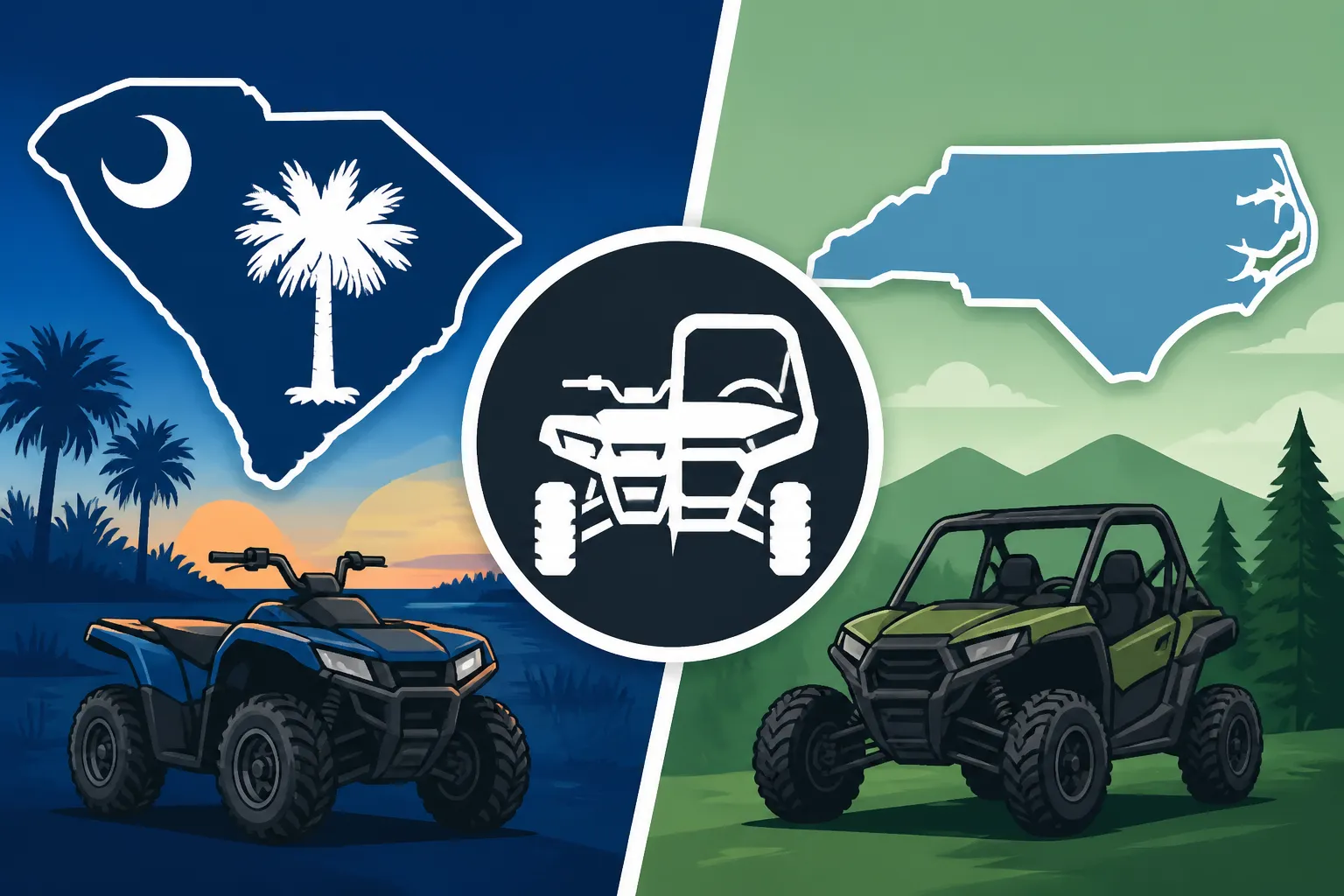
The contrast between South Carolina and North Carolina's titling laws creates important considerations for anyone owning, buying, or selling ATVs and UTVs in the region. Understanding these differences isn't just about legal compliance; it's about protecting yourself as an owner and ensuring smooth transactions.
The Impact on Buying and Selling Private Machines
This is where the biggest headaches often arise. Imagine a scenario: you're a South Carolina resident, and you decide to sell your trusty quad. Because South Carolina titling is optional for off-road machines, you might not have bothered to get one. You list your ATV, and a buyer from North Carolina expresses interest. The North Carolina buyer, accustomed to mandatory titles, expects one. When you explain that South Carolina doesn't require it, they might become hesitant or even back out, fearing issues with proving ownership or registering it in their home state. This is a common frustration, and it can really complicate private sales.
Conversely, if you're a South Carolina resident looking to buy a used ATV from North Carolina, you'll almost certainly receive a titled machine. This can actually be a benefit for you, providing clear proof of ownership from the outset, even if South Carolina law says you don't have to have it.
Here’s a quick overview of the main distinctions:
| Feature | South Carolina ATV/UTV Titling (Off-Road) | North Carolina ATV/UTV Titling (Off-Road) |
|---|---|---|
| General Requirement | Optional for ownership/private use | Generally mandatory for ownership and transfer of sale |
| Proving Ownership | Bill of Sale often primary document if no title | Title is primary document; Bill of Sale supports |
| Financing Requirement | Lenders almost always require a title | Lenders always require a title |
| Street-Legal UTVs | Title and Registration required | Title and Registration required (often as LSV) |
| Resale Value Impact | Untitled machines may have lower value/fewer buyers | Titled machines are standard; untitiled sales complicated |
Avoiding Legal Pitfalls
The differing rules can also lead to legal confusion. If you're transporting an untitled South Carolina ATV through North Carolina, technically, you're fine as long as you're not trying to sell it there without the proper paperwork. However, an officer might inquire about proof of ownership, and a title, even an optional South Carolina one, provides undeniable proof. Always carry a bill of sale and ideally a title, especially when traveling.
Furthermore, if you're attempting to title an ATV in North Carolina that was previously owned in South Carolina without a title, you might face additional hurdles. The North Carolina DMV will want to establish a clear chain of ownership, and a lack of previous title can complicate this process, potentially requiring extra documentation like notarized bills of sale or even a bonded title process to prove legitimate ownership. This is where tools like LawDepot can be a lifesaver, helping you create professional, legally sound bills of sale or affidavits to support your claims of ownership.
Practical Advice for Cross-Border Transactions
Navigating these differences successfully requires a bit of foresight and preparation. Whether you're buying or selling, being proactive can save you a lot of time and potential heartache.
When Buying an ATV or UTV Across State Lines
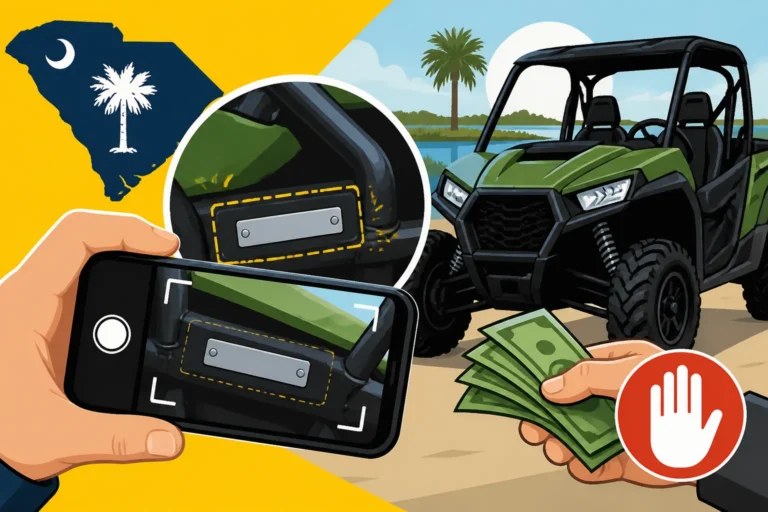
If you're a South Carolina resident looking at a machine in North Carolina, you should expect it to come with a title. Insist on it. While you might not technically need it for basic off-road use in South Carolina, having it makes future transactions, financing, or even just proving ownership much simpler. Don't let a seller convince you it's not important. Make sure the title is clean, signed correctly, and matches the vehicle identification number (VIN) on the machine.
For North Carolina buyers considering a South Carolina machine, this is where you need to be especially cautious. If the South Carolina seller doesn't have a title because it's optional in their state, you'll need to work closely with your North Carolina DMV to understand what documentation they'll accept to issue a North Carolina title. This will almost certainly involve a comprehensive bill of sale, perhaps notarized, proving the transfer of ownership. You might even want to prepare this document using a service like LawDepot to ensure it covers all necessary legal bases for both states. Ask the South Carolina seller if they'd be willing to obtain a South Carolina title first; sometimes, the small fee is worth the smoother transaction for everyone involved. For a full breakdown of the titling process, consider reviewing [How to Title an ATV in South Carolina].
When Selling an ATV or UTV Across State Lines
If you're a South Carolina seller with an untitled ATV, and your buyer is from North Carolina, understand that they will want a title. Your best bet is to get a South Carolina title yourself before the sale. It simplifies the process immensely for your buyer and will likely make your machine more attractive, potentially commanding a better price. The process for getting a title in South Carolina isn't overly complicated, and it's a small investment for peace of mind. Without one, you're relying on the buyer to navigate a potentially complex titling process in North Carolina with only a bill of sale. Check out [Selling a Machine Without a Title in South Carolina] for more context on the challenges this can create.
For North Carolina sellers, your process will be more straightforward as you'll already have a title. Simply ensure it's properly signed over to the South Carolina buyer. Advise your buyer that while South Carolina considers titling optional for off-road use, it's still a good idea for them to apply for one, especially if they foresee any future financing or resale. This can be a helpful conversation to have during the sale, as it demonstrates your knowledge and helps them avoid future issues.
Essential Documentation for Cross-Border Sales
No matter which side of the border you're on, a clear, detailed bill of sale is your best friend in any private transaction. This document should include:
- Full names and addresses of both buyer and seller.
- Date of sale.
- Description of the ATV/UTV (make, model, year, color).
- The Vehicle Identification Number (VIN) – crucial for identification.
- Purchase price.
- A statement that the machine is sold "as-is," if applicable.
- Signatures of both parties.
Using a template from a reputable source, such as LawDepot, can ensure you're not missing any vital information. This document becomes absolutely critical if a title is not being transferred, especially for a North Carolina buyer acquiring an untitled machine from South Carolina. It acts as the primary proof of ownership until a new title can be issued. Remember, any ambiguity in paperwork can lead to future headaches, from proving ownership to dealing with law enforcement or insurance companies. Having all your ducks in a row ensures a smooth ride down the road.
Disclaimer
This article is for general informational purposes only and does not constitute professional advice. Laws, prices and regulations vary by location and change over time. Consult a qualified professional for guidance on your specific situation.